Plain answers about pain care.
What the procedures and treatments are, who they may help, what the evidence shows and what to ask, written for patients and families by Dr. Hashemi.

Car accident injuries
Neck, back, nerve and rib pain after a crash: how it is evaluated and treated, letters of protection, and what attorneys can expect from the records.
Read the guideAfter an injury
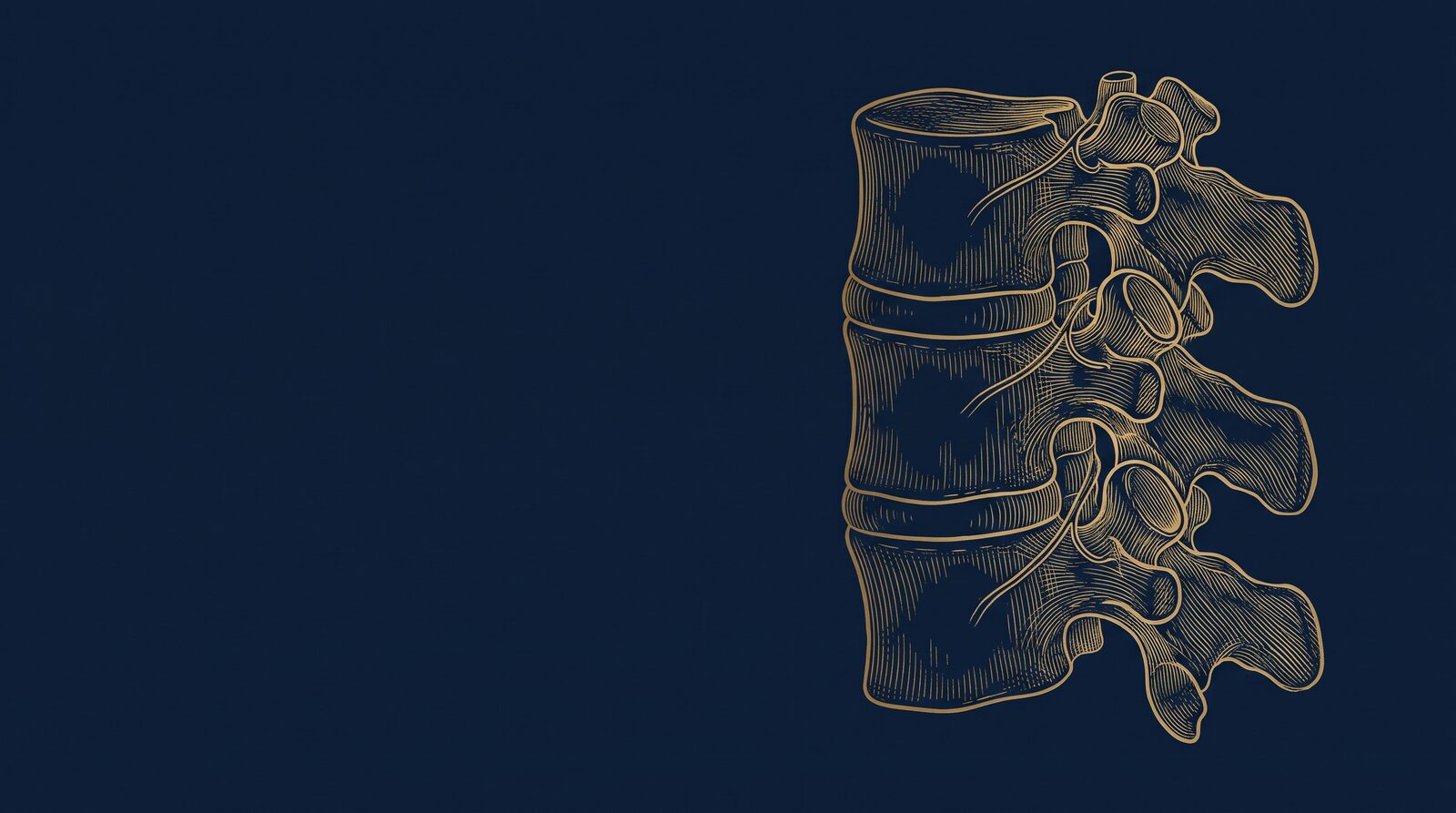
Neck and Back Pain From the Facet Joints: Medial Branch Blocks and Radiofrequency Ablation
How the spine's facet joints cause neck and back pain, including after whiplash, and how medial branch blocks and radiofrequency ablation work.
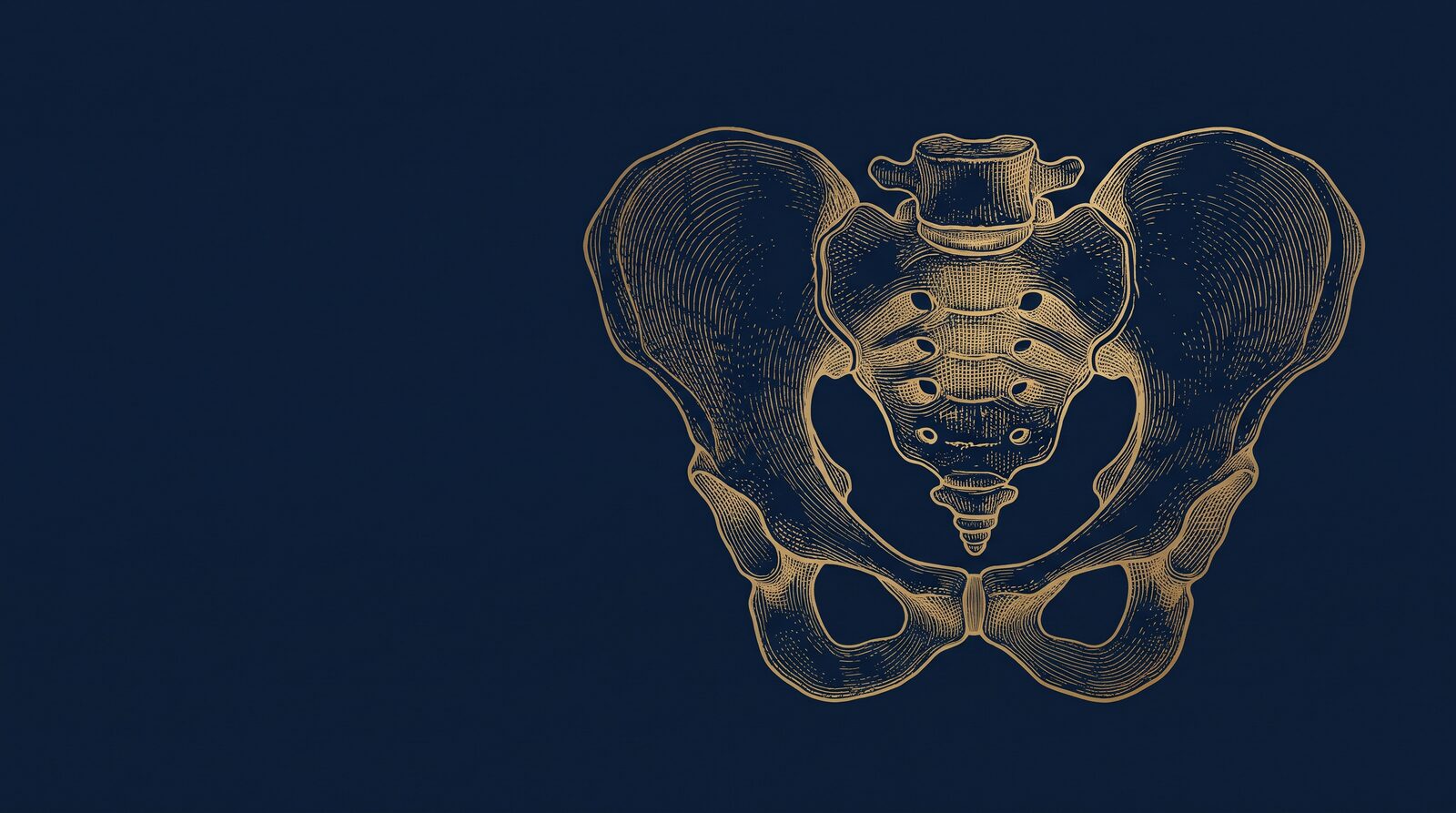
Sacroiliac Joint Pain: Diagnosis, Injections and Radiofrequency Ablation
What causes sacroiliac joint pain, including after car crashes and falls, how it is diagnosed, and what injections and radiofrequency ablation offer.
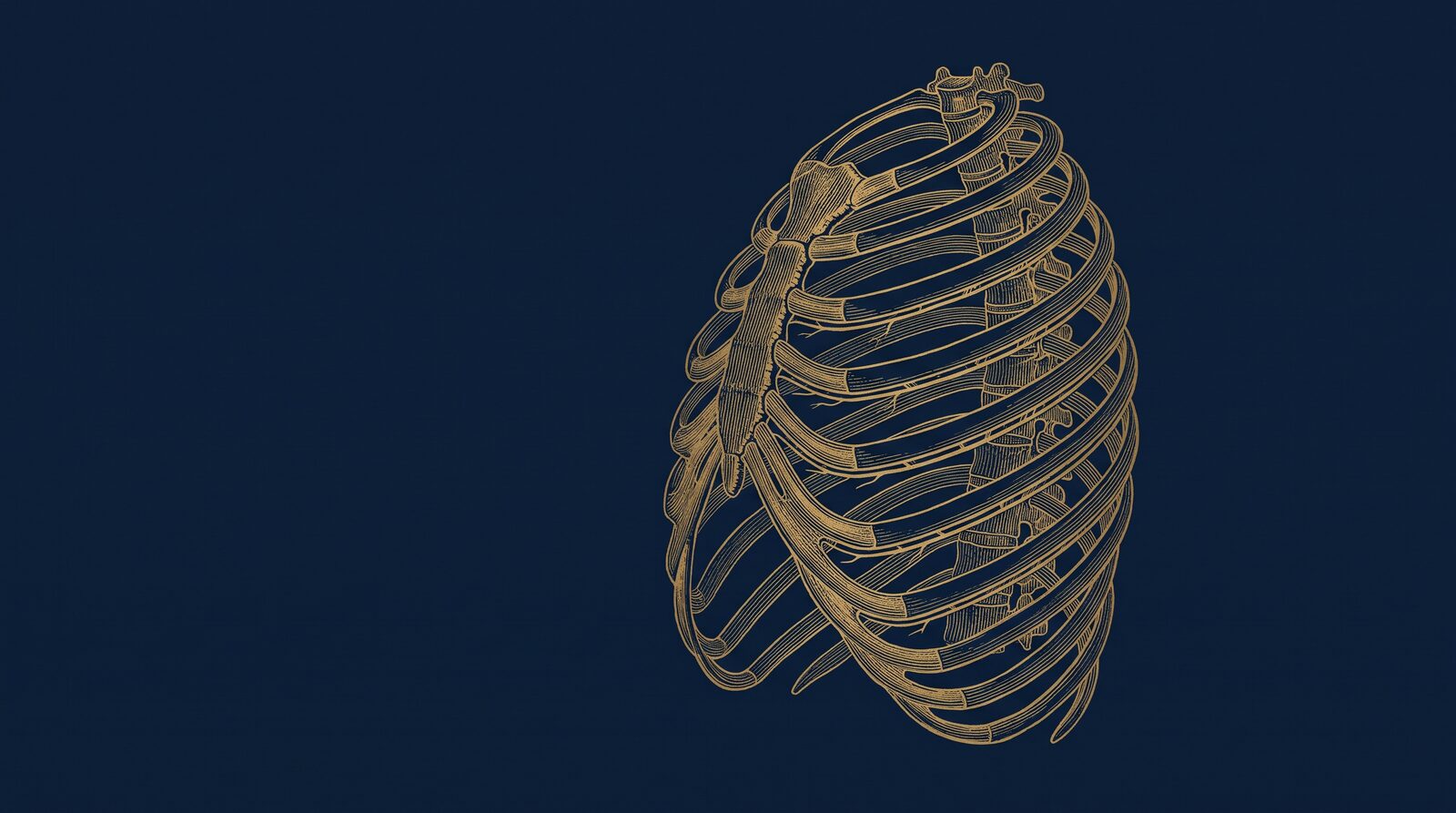
Rib Injuries and Chest Wall Pain After a Crash or Fall: Nerve Blocks and Cryoneurolysis
Why rib pain after a crash or fall matters, how it is usually treated, and what is known about nerve blocks and cryoneurolysis.
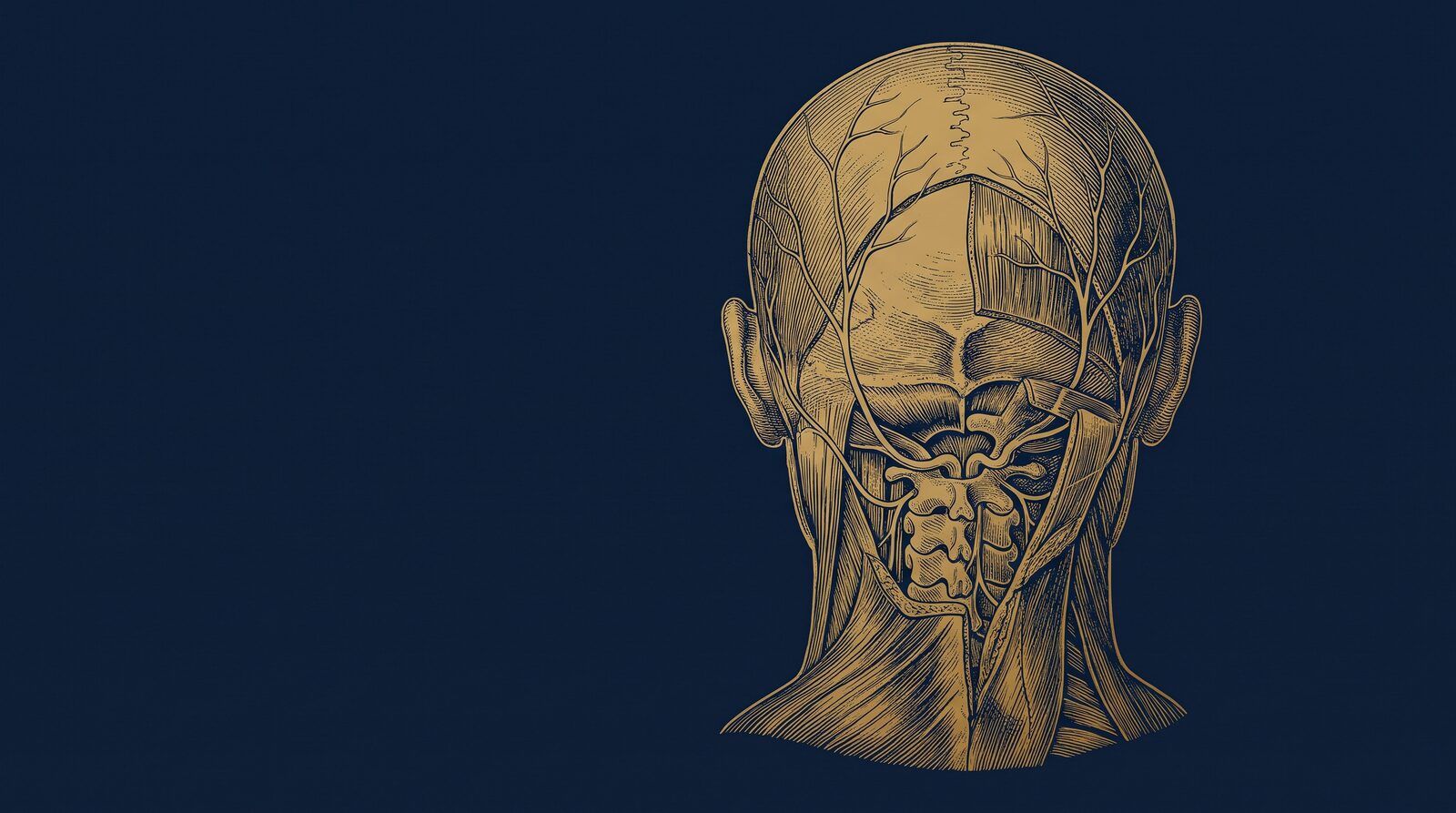
Headaches After a Crash: Occipital Nerve Blocks and When the Neck Is the Source
Headaches after a car crash: emergency warning signs, when the neck is the source, and what occipital nerve blocks and radiofrequency treatments offer.

Complex Regional Pain Syndrome (CRPS): Early Signs and Where Interventional Care Fits
CRPS can follow a fracture, sprain, crash injury or surgery. The early warning signs, how it is diagnosed, and where nerve blocks and stimulation fit.
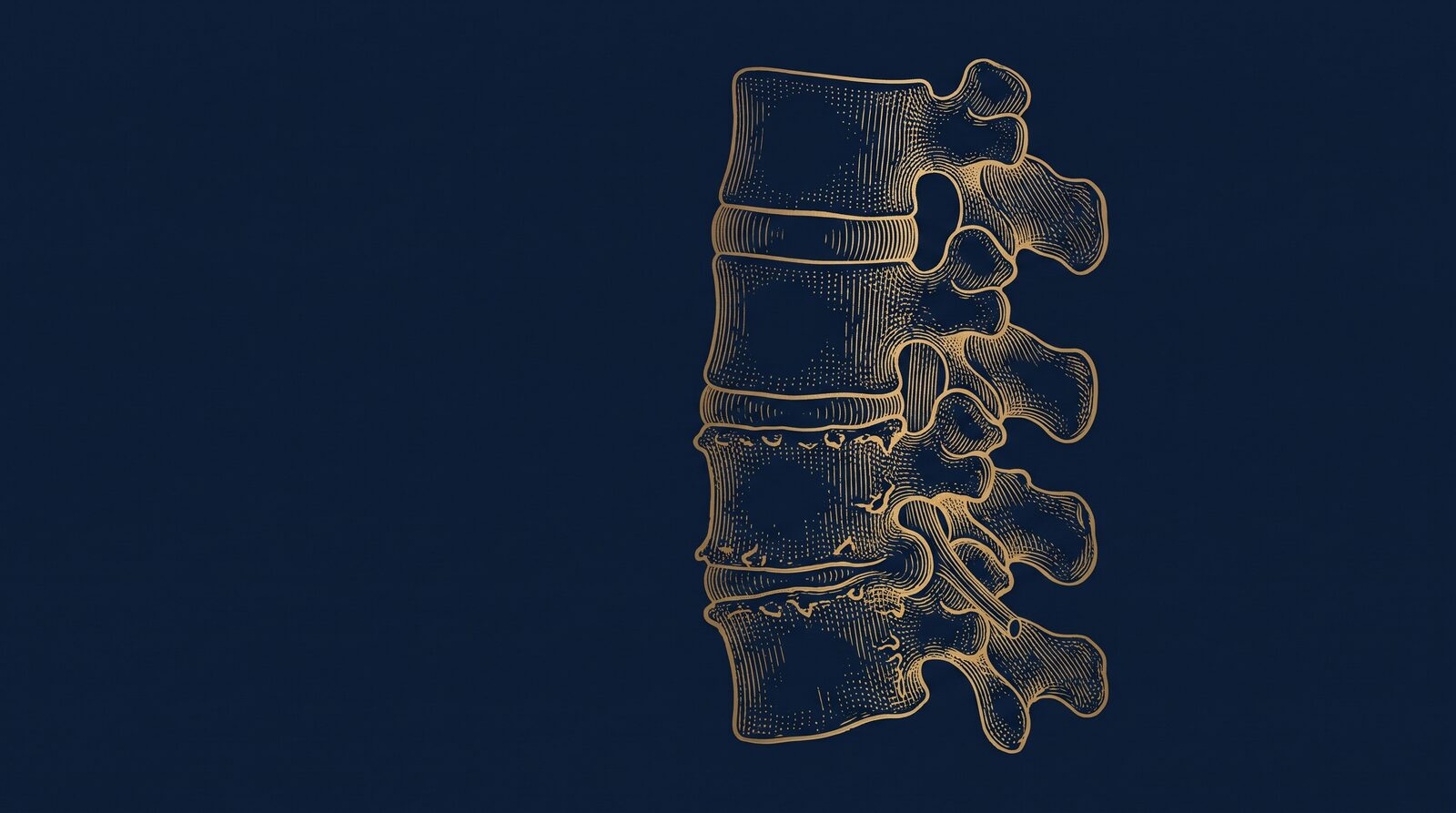
Arthritis or a Disc Problem Before the Crash? Why It Can Still Get Worse
A crash, fall or work injury can make arthritis or an old disc problem worse. What imaging can and cannot show, and why treatment may still be needed.
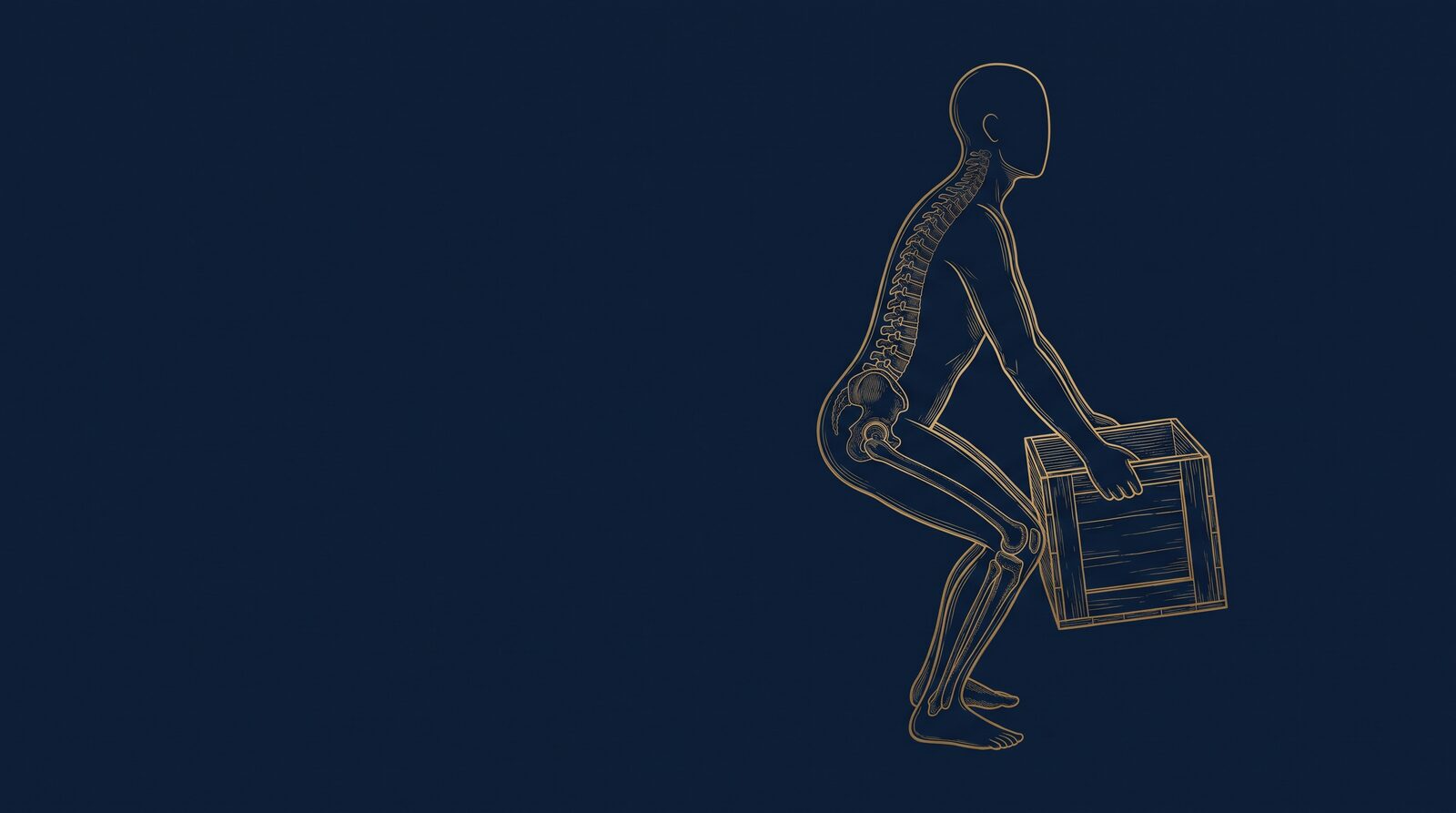
Hurt at Work in Texas: Workers' Comp and Pain Care
Hurt on the job in Texas? Key workers' comp deadlines, how treating doctors and approvals work, and where pain care fits in getting back to work.


Procedures
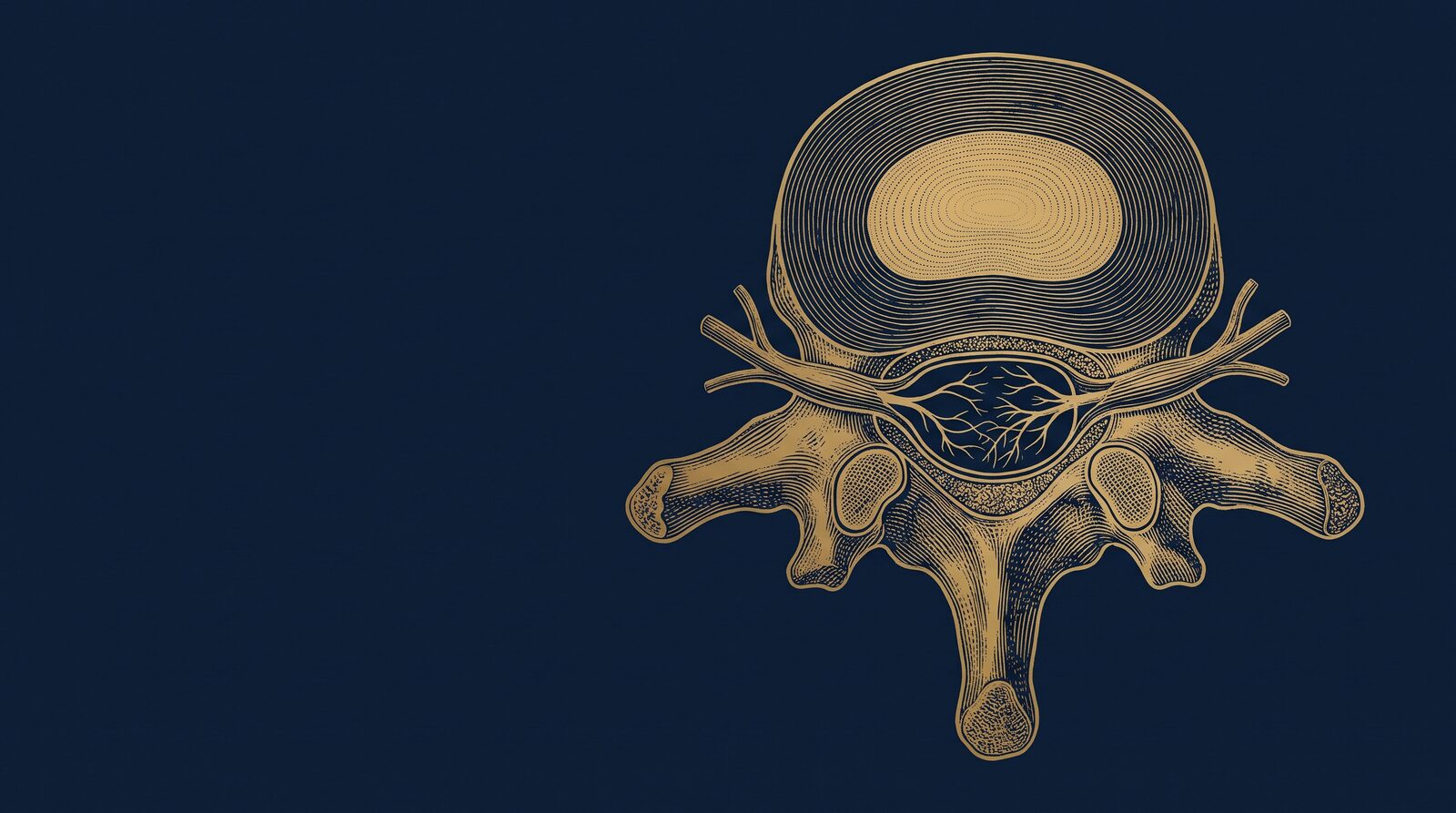
Epidural Steroid Injections: What They Can and Can't Do
Who epidural steroid injections may help, how long relief tends to last, the known risks, and questions to ask before having one.
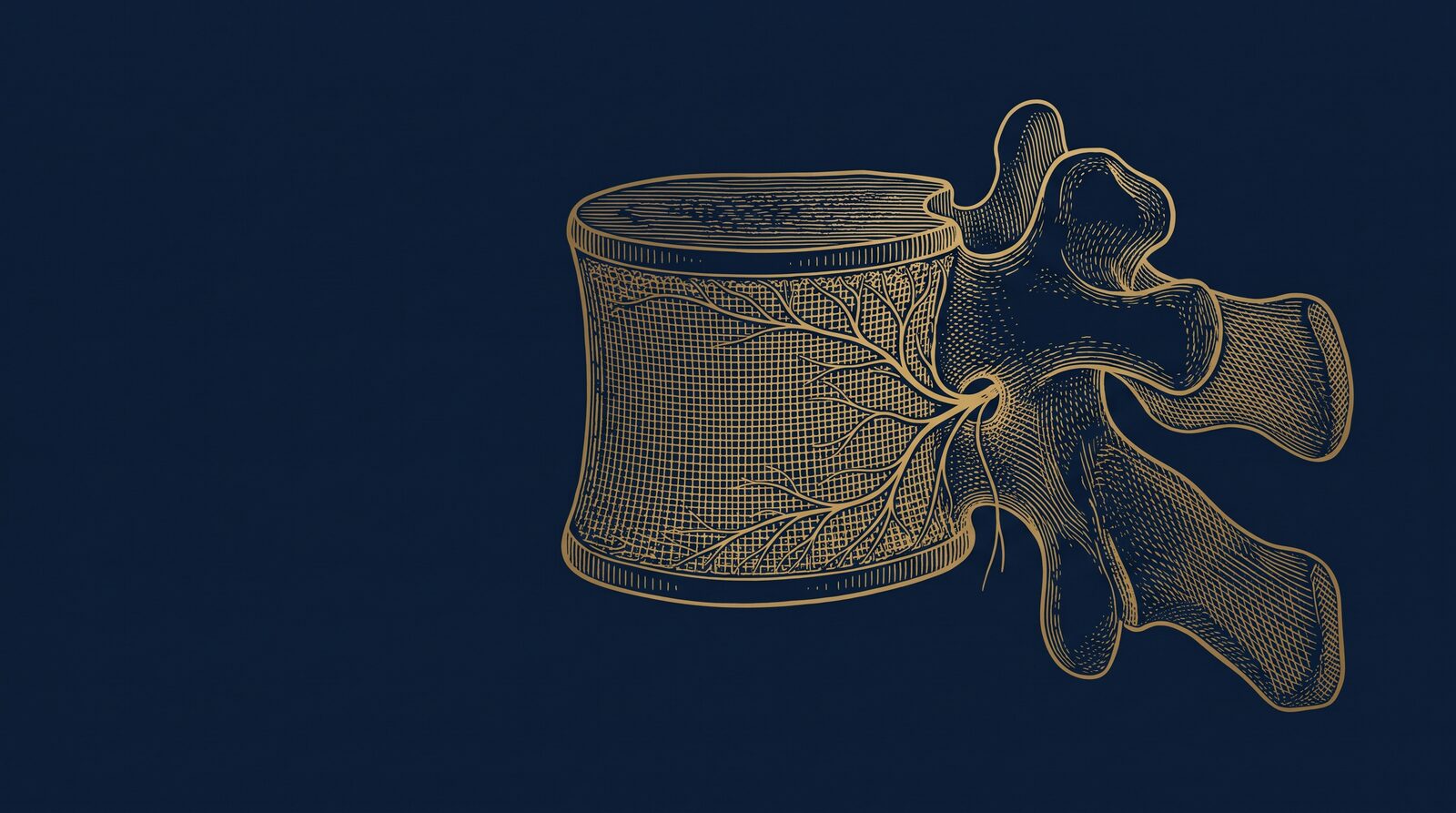
Basivertebral Nerve Ablation for Chronic Low Back Pain
What vertebrogenic low back pain is, how basivertebral nerve ablation works, who may be a candidate, what the studies show and the risks.
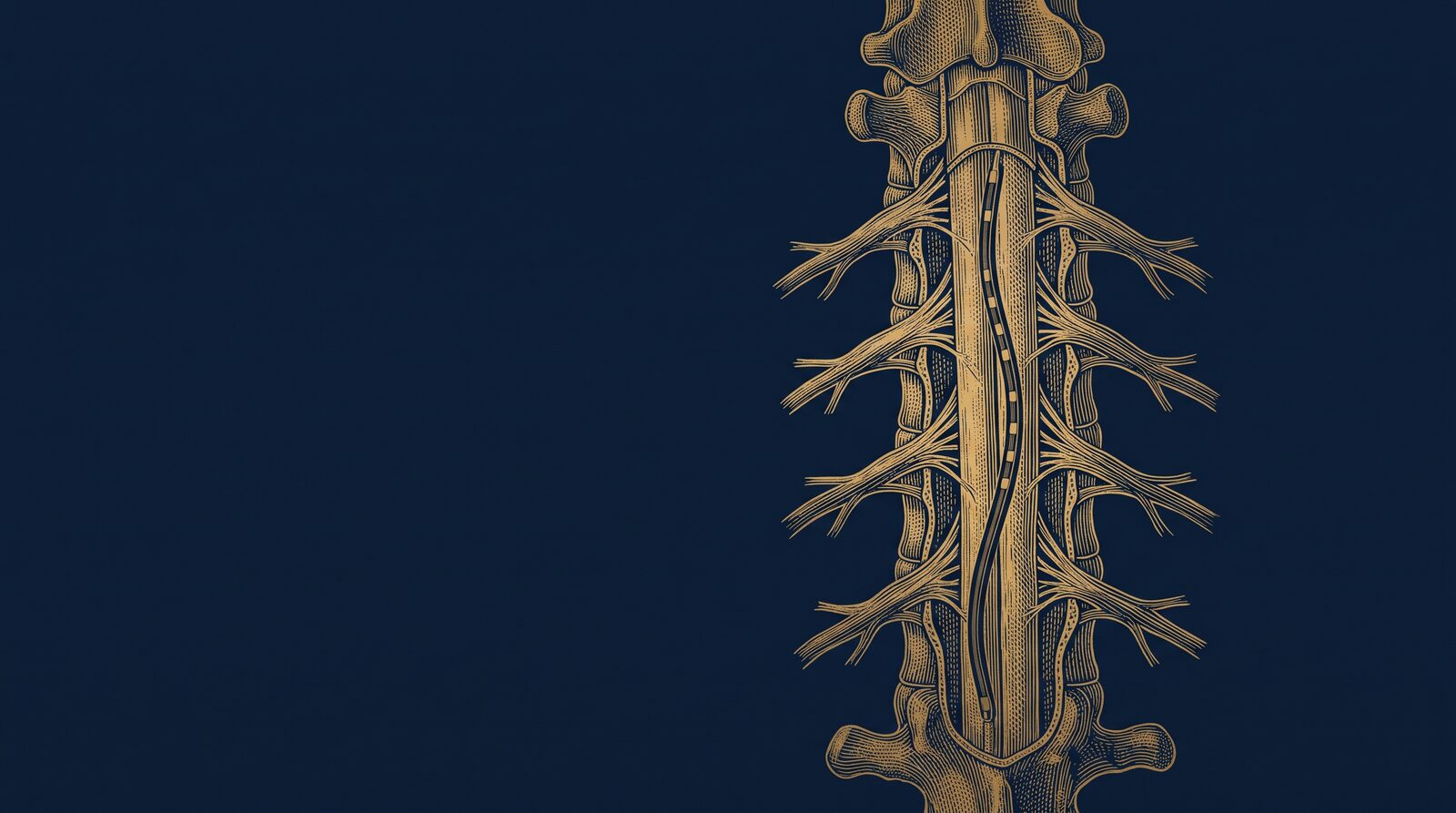
Spinal Cord Stimulation: Who It May Help and How the Trial Works
What spinal cord stimulation is, which conditions have the strongest evidence, how the trial and implant work, and the risks to weigh first.
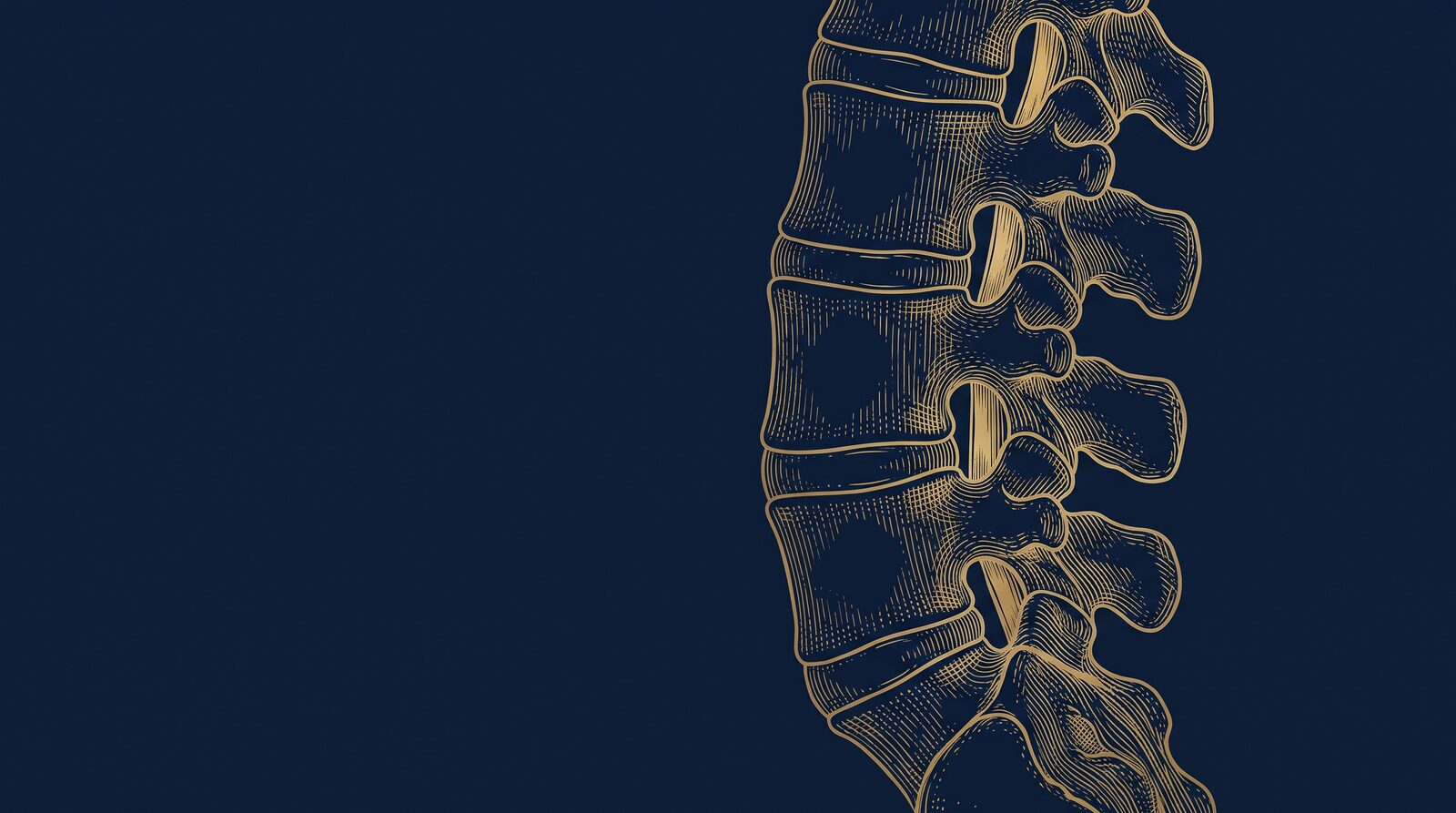
The mild® Procedure for Lumbar Spinal Stenosis: What to Know
How the mild® procedure treats lumbar spinal stenosis, who may be a candidate, what the studies show, the risks, and how it compares with other options.
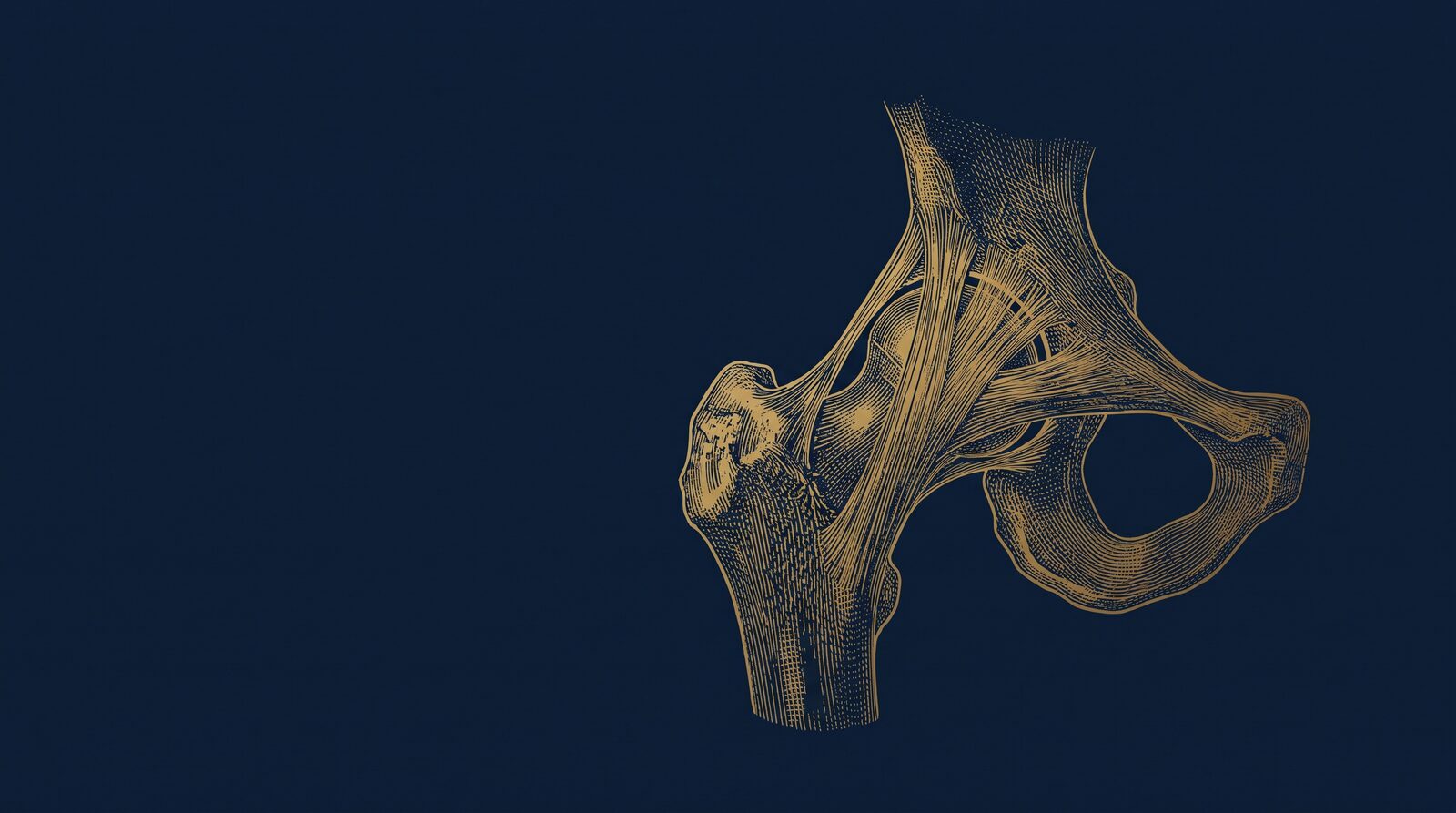
Hip Pain Injections: Joint, Bursa and Nerve Options
How the location of hip pain points to its source, and what joint, bursa, tendon and nerve injections can and cannot do.
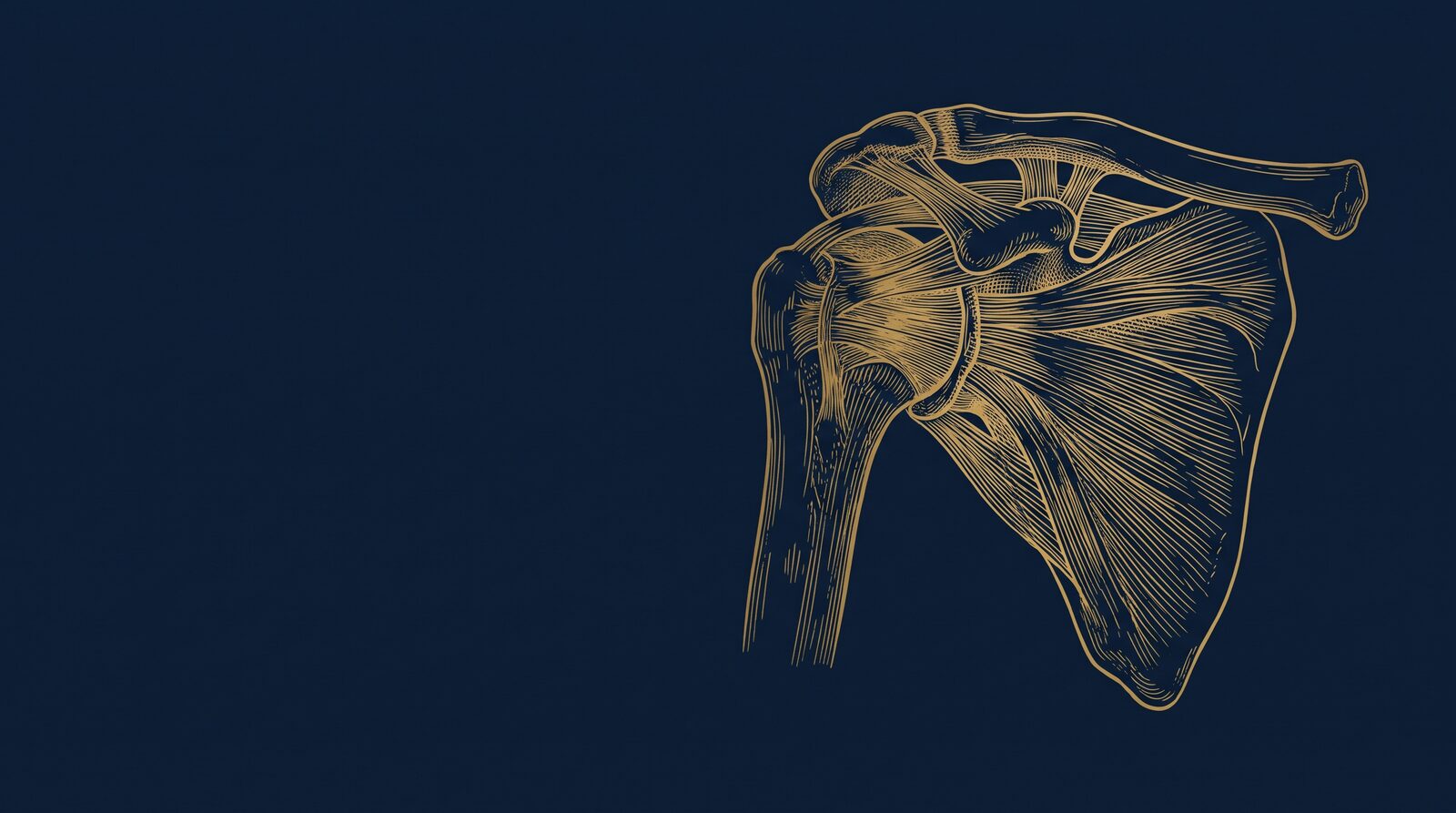
Shoulder Pain Injections: Which One and Why
Subacromial, joint, AC joint and suprascapular nerve injections for shoulder pain: what each one treats, what the evidence shows, and its limits.

Platelet-Rich Plasma (PRP) Injections: What the Evidence Shows
What PRP injections are, what research shows for knee arthritis and tendon pain, how PRP is regulated, and what recovery looks like.
Botox for Chronic Migraine: Who Qualifies and What to Expect
Who qualifies for Botox for chronic migraine, how the injections are done, what the main trials showed, side effects and other options.

Qutenza: The High-Concentration Capsaicin Patch
How the 8% capsaicin patch Qutenza works for nerve pain after shingles and diabetic nerve pain in the feet, what the trials showed, and side effects.

IV Ketamine Infusions for Chronic Pain
What IV ketamine infusions for chronic pain involve, where the evidence is strongest, side effects, and who should not have them.


Conditions and diagnosis
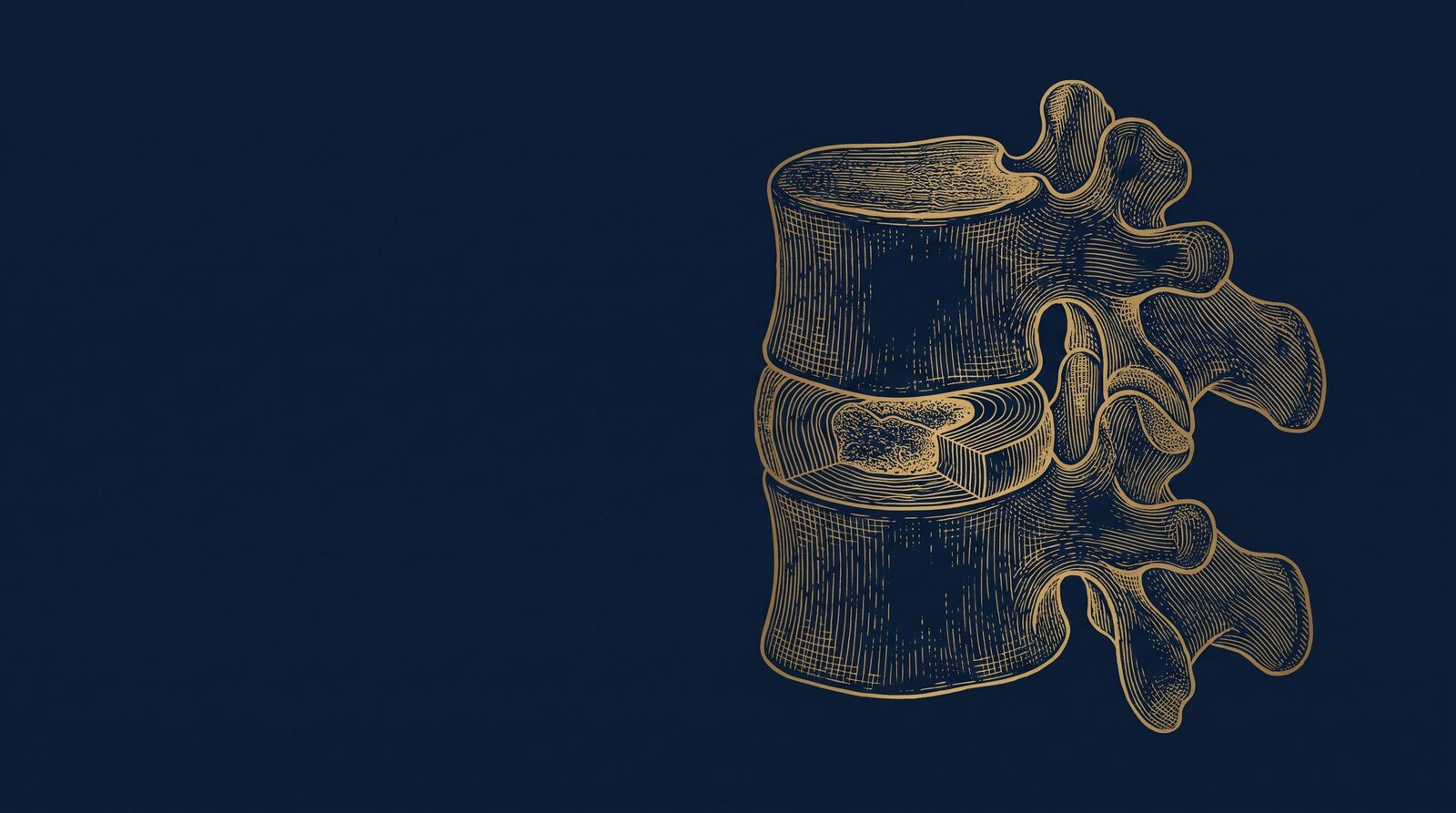
Degenerative Disc Disease Is Not a Life Sentence
What "degenerative disc disease" on an MRI really means, why it is so common without pain, and what actually helps back pain improve.

Neurogenic Claudication: Leg Pain When You Walk
Why legs ache or go numb with walking and ease with sitting, how this differs from circulation problems, and the treatment options for spinal stenosis.
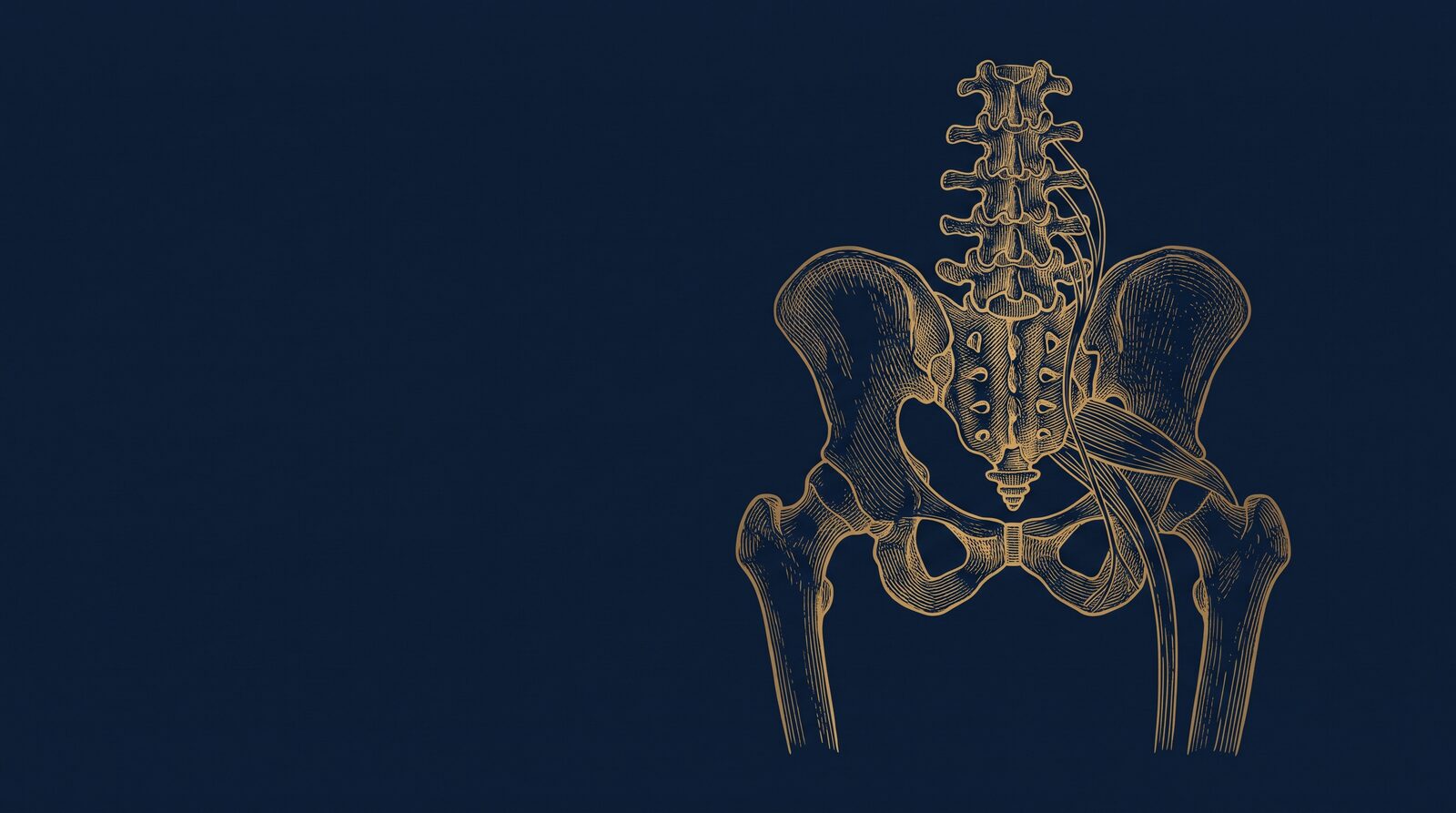
Is It My Hip, My Sacroiliac Joint or a Pinched Nerve?
How hip joint pain, outer hip pain, sacroiliac joint pain and sciatica differ, why they overlap, and how physicians sort out the source.
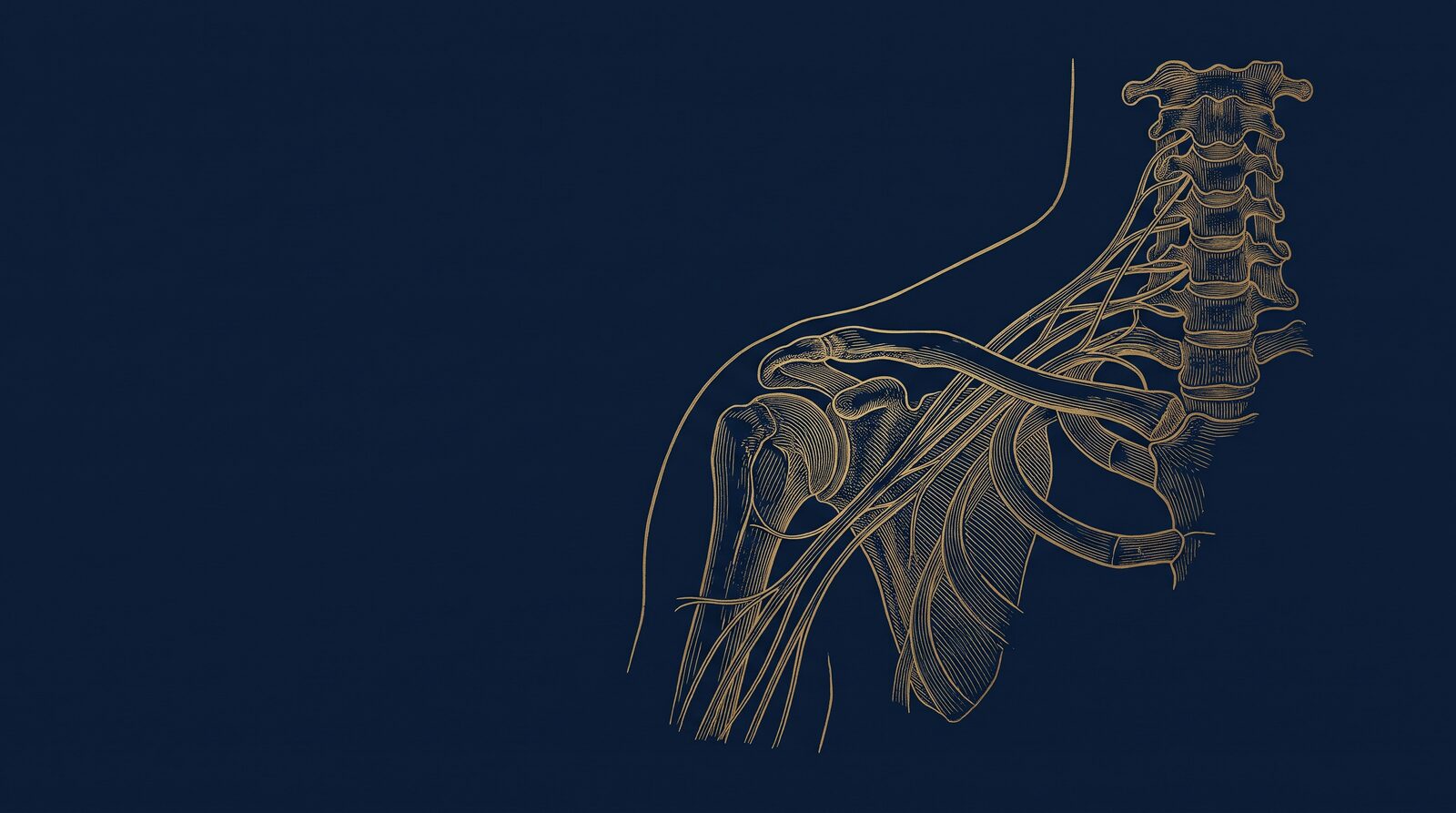
Shoulder Problem or Pinched Nerve in the Neck?
How to tell rotator cuff pain and frozen shoulder from a pinched nerve in the neck, why they overlap, and how physicians find the source.
Peripheral Neuropathy: Common Causes and What Helps
What peripheral neuropathy is, its common causes, the basic blood tests, foot care, and the treatments for nerve pain, from medicines to stimulation.
Trigeminal Neuralgia: Diagnosis and Treatment Options
The sudden, shock-like facial pain of trigeminal neuralgia: how it is diagnosed, first-line medicines, and the pros and cons of procedures and surgery.
How to Describe Your Pain to Your Doctor
Pain scales, useful words, what to track and what to bring, so your physician gets a clear picture of your pain and how it affects your life.


Medications and everyday care
Compounded Pain Creams: What They Are and What the Evidence Shows
What compounded pain creams contain, how they differ from FDA-approved topicals, what studies show, and questions to ask before using one.

Low-Dose Naltrexone (LDN) for Chronic Pain
What low-dose naltrexone is, how it might work, what the studies in fibromyalgia found, side effects, and why it cannot be combined with opioids.

Aquatic Therapy: How Exercise in Water Helps Chronic Pain
How exercise in water eases load on painful joints, what the research shows for arthritis, back pain and fibromyalgia, and how to get started safely.
How Quitting Smoking Helps Back and Joint Pain
What research shows about smoking, back pain and healing after spine surgery, and practical, proven ways to get help quitting.
Pain After 65: What Changes and What Is Safer
How aging changes the way pain is felt, why some common pain medicines carry more risk after 65, and where other treatments can fit.
Sleep and Chronic Pain: Breaking the Cycle
Why pain and poor sleep feed each other, what research shows, and practical steps, treatments and warning signs to discuss with your physician.

Why Talking Therapy (CBT) Is Part of Real Pain Care
How cognitive behavioral therapy helps people live with chronic pain, what a course involves, what the research shows, and what it is not.

Helping a Loved One Who Lives With Chronic Pain
Practical ways family and caregivers can help with chronic pain: noticing changes, medicine safety, encouraging activity, and caring for yourself.


